Walleye, Bass & Drum Catch on Lake Erie
Lake Erie Fishing - What to Expect

Guided Fishing Trip by Captain Daniel Lemon in November

- Lake Erie's Finest Walleye And Perch Charters


Summary
Join a guided fishing trip on Lake Erie with Captain Daniel Lemon of Reel Therapy Sportfishing on Saturday, October 17th. This action-packed experience targets walleye, striped bass, and freshwater drum in one of the region's most productive fisheries. Anglers of all levels can expect dynamic casting opportunities and explosive strikes in prime fall conditions.
Guided Fishing Trip with Captain Daniel Lemon - Rates & Booking
Captain Daniel Lemon of Reel Therapy Sportfishing on Saturday, October 17th delivers a high-energy guided fishing trip targeting Lake Erie's most sought-after species. This premium experience puts you on the water during peak fall conditions when walleye, striped bass, and freshwater drum are actively feeding. The trip combines proven techniques with local expertise to maximize your chances of landing trophy-caliber fish.
To secure your spot and learn current rates, contact Reel Therapy Sportfishing in Oregon, OH. Captain Daniel designs each trip around your skill level and target species preferences, ensuring both beginners and experienced anglers walk away with unforgettable moments and incredible catches.
Highlights of Your Lake Erie Experience
Lake Erie stands as one of North America's most dynamic freshwater fisheries. The combination of walleye, striped bass, and freshwater drum creates unpredictable, fast-paced action from start to finish. Fall runs intensify feeding activity, making October an ideal window for aggressive strikes and multiple hookups.
Captain Daniel's approach focuses on covering productive water quickly, reading structure, and adjusting presentation based on real-time conditions. This responsive, high-tempo style keeps anglers engaged and rods bent throughout the day.
Local Species Insights: Walleye, Striped Bass & Freshwater Drum
Lake Erie's walleye population thrives in the lake's moderate depths and rocky structure. These hard-fighting fish respond aggressively to live bait and lures during fall, when cooling water temperatures trigger feeding binges. Walleye typically hunt low-light conditions, making dawn and dusk prime windows for explosive strikes.
Striped bass in Lake Erie are powerful, acrobatic fighters that surge hard when hooked. These migratory species move through the lake following baitfish concentrations, and fall transitions concentrate them in predictable zones. Striped bass deliver immediate, unmistakable strikes that test tackle and nerves alike.
Freshwater drum, often overlooked but highly underrated, are strong, determined fighters that add variety to your day. Their presence indicates healthy ecosystem balance and provides continuous action between walleye and bass encounters. Drum fight with grit and persistence, making them worthy opponents on spinning gear.
The three-species combination creates dynamic diversity. You never know which strike comes next, keeping anticipation electric and adrenaline high. Lake Erie's nutrient-rich waters support these populations at exceptional densities, translating to high-probability fishing and frequent contact with fish throughout your trip.
Plan Your Fishing Day
Guided fishing trips on Lake Erie with Captain Daniel typically run during prime feeding windows when conditions favor active strikes. Anglers should expect fast-paced movement between productive zones, frequent casting, and rapid decision-making based on what the fish are doing.
Bring energy and readiness. The fall season on Lake Erie rewards anglers who stay engaged, keep fresh lures in the water, and react quickly to changing conditions. The combination of walleye, striped bass, and freshwater drum means you're constantly ready for the next explosive encounter.
Fishing in Lake Erie: Freshwater Drum, Walleye and Striped Bass
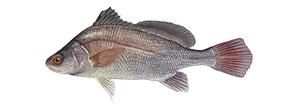
Freshwater Drum Overview
The Freshwater Drum (Aplodinotus grunniens) is a fascinating and prolific gamefish belonging to the family Sciaenidae and order Perciformes. This carnivorous species is native to freshwaters across North America and has earned numerous colorful nicknames—including croaker, thunder pumper, grunter, grinder, and bubbler—all derived from the distinctive grunting and rumbling sounds the males produce during spawning season. With its striking silver scales and bluish-grey overcast, combined with a prominently arched back and white belly, the Freshwater Drum is one of the most abundant and recognizable freshwater fish in the country. What makes this species truly special is not just its appearance, but its quirky behavior and the cultural significance it holds; Native Americans have traditionally worn the fish's large, ivory-like ear bone—sometimes called a "Lucky Stone"—as jewelry. Whether you're an angler seeking an easy and rewarding catch or simply curious about North American freshwater ecosystems, the Freshwater Drum offers an engaging and memorable experience.
Freshwater Drum Habitat and Distribution
The Freshwater Drum enjoys a widespread distribution across virtually every major lake and river system throughout the United States, making it exceptionally easy to encounter this species regardless of your location. From the Mississippi River basin to the Great Lakes and countless smaller waterways, these fish have established thriving populations in both cold and warm freshwater environments. They are known bottom feeders, spending the majority of their time swimming along the substrate searching for food. They show a distinct preference for clear, shallow waters with modest aquatic vegetation, where they can easily locate their preferred prey. While drum populations peak during the summer months when water temperatures are warm and feeding activity is at its highest, you can successfully catch these fish year-round, even during winter months when most anglers assume fishing activity should be minimal. The species' remarkable adaptability and reproductive success—driven by their random spawning behavior where eggs are swept miles away by water currents—has ensured their presence in lakes, rivers, and connected waterways across the breadth of the continent.
Freshwater Drum Size and Weight
Mature Freshwater Drums typically average between twelve to fourteen inches in length and weigh somewhere in the range of one to eight pounds under normal conditions. However, these fish possess genuine potential for significantly larger specimens. The average size range for quality catches falls between twelve and thirty-seven inches in length, with weights spanning from five to fifty-four pounds. The largest Freshwater Drum ever caught on record was an impressive specimen measuring more than two feet in length and weighing approximately fifty-four pounds—a trophy-class fish taken by angler Benny Hull way back in 1972 from Nijack Lake, Tennessee. An interesting biological note is that females of the species consistently grow larger than males, meaning that record-breaking catches are typically female fish. Despite their impressive potential size, Freshwater Drums are generally considered fairly quick swimmers, though this attribute matters little since they rank among the easiest freshwater fish to catch—some anglers have documented more than fifty successful catches in a single fishing session.
Freshwater Drum Diet and Behavior
As strict carnivores, Freshwater Drums have developed a specialized diet and foraging strategy perfectly suited to their bottom-dwelling lifestyle. Their primary food sources include snails and small clams, which they crush using their remarkably large, molar-like teeth—a feature that clearly distinguishes them from many other freshwater gamefish. Beyond mollusks, they eagerly consume crayfish, smaller fish species, and various aquatic insects, making them opportunistic feeders that will accept a wide variety of prey items. Their bottom-feeding behavior means they spend virtually their entire lives searching along the lake and river floor for food, creating predictable patterns that anglers can exploit. In terms of predation, Freshwater Drums face threats from larger fish species such as smallmouth bass and walleye, which is why some savvy anglers actually use drum as live bait for pursuing these larger predators. The species displays a relatively docile temperament and isn't particularly known for putting up an aggressive fight once hooked, making it an ideal target for novice anglers or families looking for a rewarding and low-stress fishing experience. Their behavior is largely driven by feeding opportunities and seasonal reproductive cycles, with activity levels typically escalating during warmer months when aquatic prey is most abundant.
Freshwater Drum Spawning and Seasonal Activity
The spawning season for Freshwater Drums occurs during the spring months, typically in April or May when water temperatures begin to warm and trigger reproductive instincts. During this period, both males and females release their eggs and sperm directly into open water where fertilization occurs randomly in the water column. This broadcast spawning strategy, while seemingly chaotic, has proven extraordinarily successful for the species; the fertilized eggs are subsequently transported by water currents over considerable distances, sometimes traveling miles and miles before eventually settling and hatching in new lakes, rivers, and connected waterways. This dispersal mechanism explains the species' remarkably wide and continuous distribution across North America—essentially, the fish have engineered their own continental expansion strategy. One of the most distinctive aspects of this spawning behavior is the grunting or rumbling sound produced by mature males, which they generate by contracting specialized muscles along the walls of their air bladder. While the exact biological purpose of this vocalization remains somewhat mysterious, it is clearly linked to the reproductive process and has earned the species its numerous colloquial names. Summer represents the season of peak population activity, when both feeding and reproduction are at their height, making it the optimal time for angler engagement. However, because these fish are distributed so widely and are so abundant, productive fishing can occur during any season, including winter months when many other freshwater species become less active.
Freshwater Drum Techniques for Observation and Capture
Method 1: Bottom Fishing with Natural Baits
Since Freshwater Drums are dedicated bottom feeders, the most straightforward and effective technique is simple bottom fishing using natural bait presentations. A basic six and a half to seven and a half foot medium or medium-heavy power spinning or casting rod paired with a medium-capacity spinning or baitcasting reel provides all the equipment you need. Spool your reel with ten to twenty pound test monofilament line—these fish don't require heavy tackle, and lighter line actually improves your catch rates by making your presentations more natural and your bait movements more realistic. The most effective natural baits include crayfish tails, night crawlers, and cut bait prepared from other fish species. Simply cast your bait toward the bottom in areas where you've observed drum activity or where you suspect them to congregate, then wait patiently. The passive nature of this approach makes it accessible to anglers of all skill levels.
Method 2: Night Fishing and Low-Light Periods
Freshwater Drums exhibit increased feeding activity during dawn, dusk, and nighttime hours when light levels drop and their competitors are less active. Position yourself along clear shallow waters or near areas with modest aquatic vegetation—the drum's preferred habitat—during these low-light windows. Night fishing can be exceptionally productive, particularly during the warmer months when air temperatures remain comfortable. Many successful anglers specifically target these time periods, knowing that drum feeding intensity reaches its peak when visibility is reduced. Bring appropriate lighting for safety, and be patient; these fishing sessions often yield multiple catches throughout the night.
Method 3: Location-Specific Targeting and Local Knowledge
Around major river systems and lake networks throughout the country, local fishing guides and bait shops can provide invaluable information about current hot spots where drum populations are densest. In regions like the Mississippi River basin or near the Great Lakes, certain specific locations consistently produce excellent results. Focus on finding transitions between different water depths, areas with rocky substrate where mollusks congregate, and deeper channels where drum retreat during midday heat. Freshwater Drums are predictable in their behavior once you understand that they're simply searching for food sources—finding where the snails and crayfish are most abundant effectively tells you where the drum will be.
Freshwater Drum Culinary and Utilization Notes
The Freshwater Drum presents average food quality for consumption and is not typically regarded as a premier table fish, though some regional preparations and recipes have enthusiasts. The flesh is described as having a mild flavor profile with a somewhat mushy or soft texture that doesn't appeal to all palates. Many anglers practice catch-and-release with drum, particularly when pursuing other species, though in some regions drum are prepared and eaten with moderate satisfaction. The fish's more significant cultural and practical value lies in its role as bait for larger predatory fish species—its presence in a waterway indicates a healthy, productive ecosystem supporting abundant forage. Additionally, the traditional use of the fish's large otolith (ear bone) as the aforementioned "Lucky Stone" by Native Americans represents an important utilization beyond conventional angling. From a sustainability perspective, Freshwater Drums' remarkable abundance and prolific reproduction make them an excellent candidate for harvest fishing without conservation concerns; their explosive population growth and wide distribution mean that even significant angling pressure has minimal impact on overall population health.
Freshwater Drum Frequently Asked Questions
Q: What is the best bait for catching Freshwater Drum?
A: Natural baits consistently outperform artificial offerings for this species. Crayfish tails, night crawlers, and cut bait from other fish are highly effective. The key is presenting your bait on or very near the bottom where drum spend most of their time foraging. Fresh, lively baits that create natural movement patterns attract more strikes than static presentations.
Q: Why do male Freshwater Drums make grunting sounds?
A: Male drum produce these distinctive grunting and rumbling sounds by contracting muscles along their air bladder walls, and this behavior is directly linked to the spawning process. The exact biological purpose—whether communication, mate attraction, or territory assertion—remains not completely understood by fisheries scientists, but the phenomenon is so pronounced that it has generated multiple regional common names for the species.
Q: Are Freshwater Drums good to eat?
A: Food quality is considered average by most standards. The flesh has a mild flavor but soft, mushy texture that doesn't appeal universally. Many anglers prefer to use drum as bait for larger predatory fish rather than consuming them directly. However, in certain regional preparations and when properly prepared, some anglers find them acceptable as food. More valuable is their role in indicating ecosystem health and serving as forage for larger game fish.
Q: When is the best time to catch Freshwater Drum?
A: While drum are catchable year-round, your success rates will be highest during summer months when population activity and feeding intensity peak due to warm water temperatures. Additionally, dawn, dusk, and nighttime hours consistently produce better results than midday periods. Spring spawning season in April and May also produces good activity levels when males are vocalizing and both sexes are concentrated in spawning areas.
Q: How difficult is it to catch a Freshwater Drum?
A: Freshwater Drums rank among the easiest freshwater fish to catch, making them excellent targets for beginning anglers or family fishing outings. Their bottom-feeding behavior is predictable, they readily accept natural baits, and they don't typically put up aggressive resistance once hooked. Some experienced anglers have documented more than fifty successful catches in a single fishing session, underscoring their accessibility and abundance.
Q: Where can I find Freshwater Drum fishing opportunities?
A: Freshwater Drums are distributed across virtually every major lake and river system throughout North America, making them accessible from almost any location. The Mississippi River basin, Great Lakes region, and countless connecting waterways all support healthy populations. Local bait and tackle shops can provide current information about the most productive specific locations in your area. Clear, shallow waters with modest aquatic vegetation represent their preferred habitat, so focus your search in these areas.
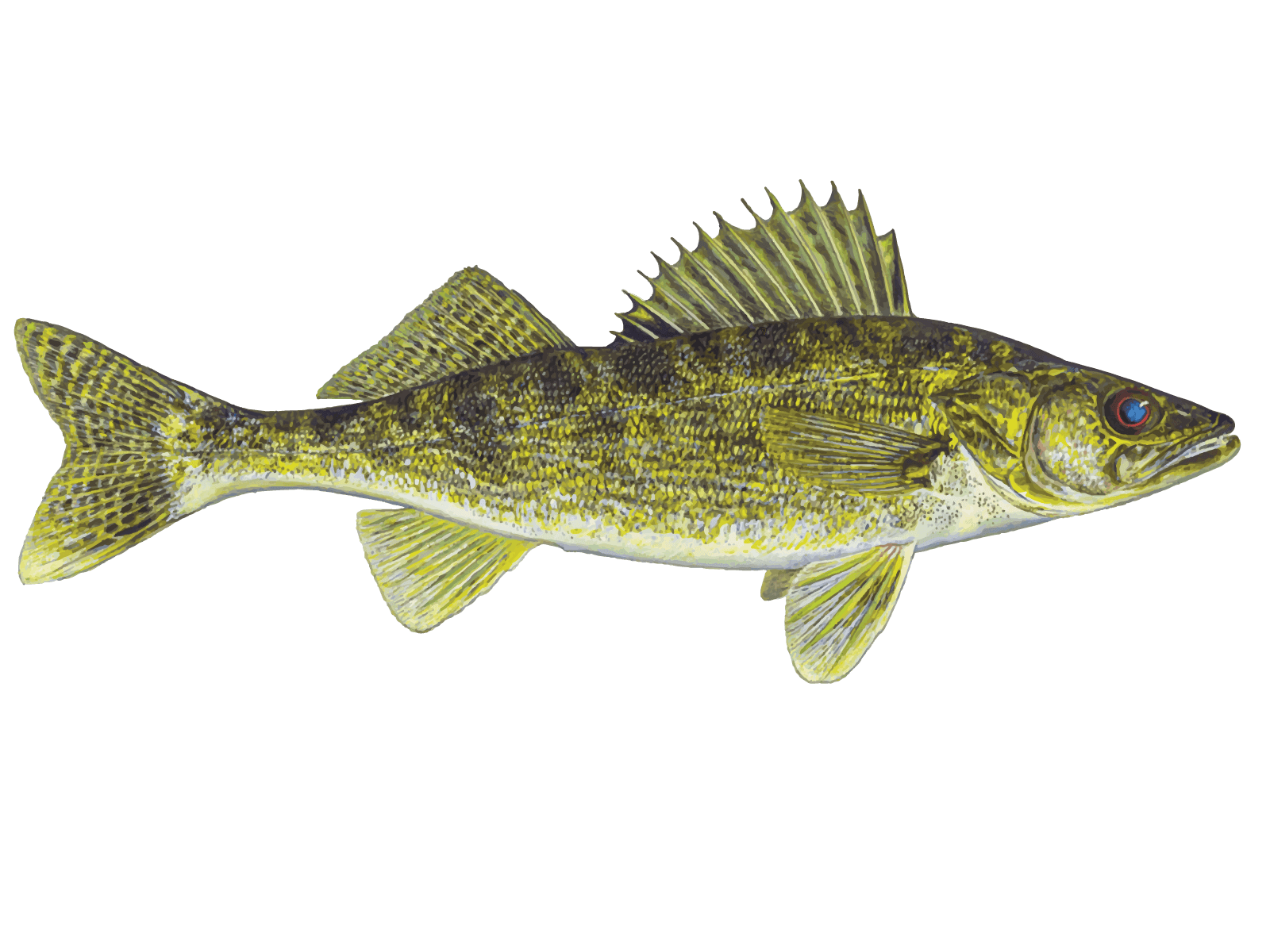
Walleye Overview
The Walleye (Sander vitreus) is a freshwater game fish belonging to the family Percidae and order Perciformes, making it a close relative of perch and pike-perch species worldwide. What makes this fish truly remarkable is its distinctive large eyes with a reflective silver layer called the tapetum lucidum, which gives walleye their characteristic glowing appearance and exceptional low-light vision. These sleek, conical-bodied predators boast golden and olive coloring with pale white bellies, and they've become one of North America's most sought-after game fish. From the pristine waters of Lake of the Woods to local lakes and river systems across the continent, walleye are celebrated equally by anglers pursuing trophy catches and home cooks seeking exceptional table fare. Whether you're casting lines at dusk or planning your next fishing adventure, the walleye represents the perfect blend of challenge, beauty, and culinary reward.
Walleye Habitat and Distribution
Walleye thrive in diverse freshwater environments, from small to large rivers and both shallow and deep lakes. These fish demonstrate specific preferences for their surroundings, typically seeking out sand, rock, or gravel bottoms where they can hunt effectively. During daylight hours, walleye retreat to deeper water columns, using weeds, timber, and submerged structures for cover. In river systems, they establish themselves in deep holes and drop-offs during the day, then venture into shallows under the cover of darkness to hunt for food. Their comfort zone lies at water temperatures around 70 degrees Fahrenheit, though they can tolerate a range between 32 and 90 degrees.
Geographically, walleye are native to waters from the Arctic regions south of Canada down through the Great Lakes and extending east to the St. Lawrence River systems. Lake Erie stands as one of the most legendary walleye fishing destinations in North America. However, the true crown jewel is Lake of the Woods and the Rainy RiverWalleye Capital of the World. These breathtaking waters attract anglers year-round seeking record-breaking catches. Over recent decades, walleye have been artificially introduced into lakes and reservoirs throughout North America, expanding fishing opportunities far beyond their native range and making them accessible to enthusiasts across the continent.
Walleye Size and Weight
Adult walleye typically range from 12 to 30 inches in length, with trophy specimens occasionally exceeding 42 inches. Weight generally falls between 1 pound for smaller individuals to approximately 10 pounds for impressive catches, though the largest recorded walleye have reached weights around 20 pounds. Females generally grow larger than males, and in pristine, well-managed fisheries with minimal harvest pressure, these fish can reach truly exceptional sizes. The sleek, streamlined body shape and conical head lined with sharp teeth make walleye instantly recognizable and perfectly adapted for their predatory lifestyle.
Walleye Diet and Behavior
Walleye are strictly nocturnal predators, meaning they feed primarily during low-light conditions—dawn, dusk, and throughout the night. Adult walleye feed almost exclusively on other fish species, actively hunting minnows, shiners, and other small forage fish. Young walleye have more diverse diets, consuming small crustaceans and insects, particularly mayflies, as they develop. This dietary preference for living prey directly influences successful angling techniques and bait selection.
These fish are highly mobile, responding to light levels and temperature changes throughout the day and across seasons. During midday, they disappear into deep, structure-rich areas to avoid bright light, which their sensitive eyes find uncomfortable. As evening approaches and light diminishes, walleye become increasingly active and begin moving toward shallow feeding zones. This behavior pattern is so predictable that experienced anglers plan their outings around these feeding windows. Their nocturnal nature also makes them less susceptible to fishing pressure during daylight hours, rewarding patient anglers who time their efforts during prime feeding periods.
Walleye Spawning and Seasonal Activity
Walleye typically spawn in spring when water temperatures begin warming, usually between April and May in most northern regions. During this period, they migrate to shallow rocky areas or gravel bars to reproduce, making them more accessible to anglers during these critical weeks. After spawning, walleye gradually move into their summer patterns, establishing themselves in deeper structure.
Summer brings a shift to deeper waters during the heat of the day, with evening and night feeding becoming more pronounced. Fall introduces another transition period as cooling water temperatures trigger increased feeding activity and movement. Winter finds walleye in deeper holes and under the ice, where they continue feeding but at reduced rates. Understanding these seasonal patterns helps anglers anticipate where to find active walleye throughout the year.
Walleye Techniques for Observation or Capture
Evening Jig and Minnow Technique: The most reliable method for walleye success involves fishing jigs tipped with live minnows during the evening and night hours. Work your jig along rocky structure, weed edges, and bottom contours at depths between 10 and 30 feet. Cast parallel to structure, maintaining contact with the bottom through a steady jigging motion. This technique works exceptionally well around Lake of the Woods and similar environments where rocky transitions create prime walleye habitat.
Live Bait Rig Trolling: Deploy a live bait rig consisting of a 1⁄4 to 1⁄2 pound sinker, a swivel, a 3 to 6 foot leader of 6-pound test line, and a No. 4 or 6 hook. Attach live minnows, nightcrawlers, or leeches and troll slowly along the bottom, covering different depths and structure types to locate feeding fish. This methodical approach works particularly well in lake systems where walleye suspend at varying depths depending on forage availability.
Nighttime Shallow Water Hunting: After dark, position yourself in water depths of 3 to 8 feet near weed beds, structure, and drop-offs. Use minnow-style crankbaits or soft plastics retrieved slowly and deliberately. The reduced light gives these sensitive-eyed predators confidence to hunt in shallow water where prey concentrates. This technique can be explosive during peak feeding periods and is especially productive around established fishing areas.
Walleye Culinary and Utilization Notes
Walleye consistently ranks among North America's finest eating fish, earning its reputation through superior flavor and texture. The firm, flaky meat boasts a mild, delicate taste with subtle sweetness and buttery notes that appeal to diverse palates. This versatility makes walleye suitable for virtually any cooking method—frying, grilling, baking, or poaching—and pairs beautifully with herbs, spices, and light sauces.
Beyond flavor, walleye delivers impressive nutritional benefits. The meat is rich in omega-3 fatty acids, which reduce inflammation and support cardiovascular health. It provides substantial B vitamins crucial for energy metabolism and nervous system function, plus selenium for immune support and oxidative protection. Walleye also maintains low mercury levels and minimal harmful contaminants, making it a safe choice for regular consumption. When preparing walleye fillets, carefully remove skin and bones to ensure a clean, appetizing presentation. The result is a nutritious, delicious meal that satisfies both refined taste and health-conscious diners.
Walleye Frequently Asked Questions
Q: What is the best bait for catching walleye?
A: Live bait consistently outperforms artificial lures for walleye. Minnows (shiners or shad), nightcrawlers, and leeches are the top choices. Fish these live baits on jigs, live bait rigs, or simple hook-and-sinker setups near the bottom and around structure. Live minnows around 2 to 3 inches work especially well for trophy-sized fish.
Q: Where can I find walleye near popular fishing destinations?
A: Lake of the Woods and the Rainy River are world-renowned walleye hotspots, but excellent fishing also exists in the Great Lakes region, particularly Lake Erie. Many Midwestern lakes and Canadian waters host healthy populations. Check local fishery reports and connect with guide services to identify current productive locations in your area.
Q: Is walleye good to eat?
A: Absolutely. Walleye is considered one of the best freshwater eating fish available. The mild, flaky, buttery flavor appeals to most people, and the firm texture holds up well to any cooking method. It's also nutrient-dense with omega-3s, B vitamins, and selenium, making it both delicious and nutritious.
Q: When is the best time to catch walleye?
A: Walleye feed most actively during low-light periods—early morning, evening, and throughout the night. Plan fishing trips starting in the evening and extending after dark for peak success. Spring and fall months often produce excellent results as water temperatures favor increased feeding activity.
Q: How old can walleye live?
A: Under ideal conditions with minimal fishing pressure, walleye can live for decades, with the oldest recorded specimen reaching 29 years of age. However, in heavily fished waters, walleye typically don't survive past 5 to 6 years. This variability emphasizes the importance of sustainable fishing practices.
Q: What size walleye should I target?
A: Most recreational anglers keep walleye between 15 and 24 inches, which offer excellent eating while maintaining breeding populations. Trophy hunters pursue fish exceeding 28 inches, but these larger specimens are increasingly rare. Always check local regulations regarding minimum and maximum keeper sizes, as these limits protect fishery health and ensure future generations can enjoy walleye fishing.
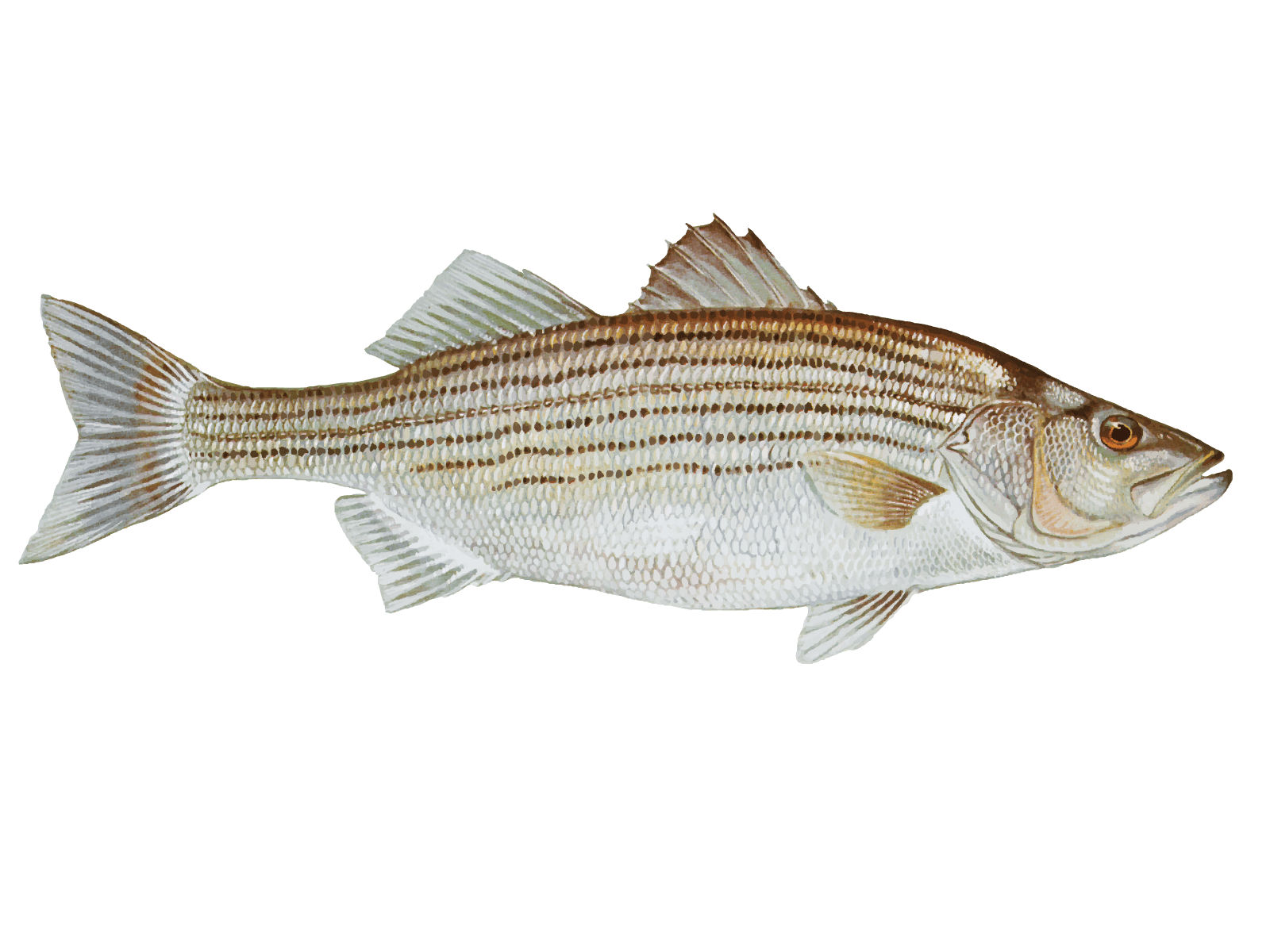
Striped Bass Overview
The Striped Bass (Morone saxatilis), belonging to the family Moronidae and order Perciformes, is one of North America's most celebrated game fish. Known affectionately as "stripers" or "linesiders," these powerful swimmers are instantly recognizable by their distinctive seven to eight dark horizontal stripes running down their silver-green bodies. With colors ranging from light olive to dark brown and black, topped with a shimmering white belly, the Striped Bass is a true trophy for recreational and commercial anglers alike. Found across diverse waters from the Atlantic coast to inland lakes and rivers, these remarkable fish have become legendary in fishing communities from New England to California, thriving in both saltwater and freshwater environments thanks to their remarkable adaptability.
Striped Bass Habitat and Distribution
Striped Bass naturally inhabit coastal waters along the Atlantic Ocean, ranging from Canada all the way south to the Gulf of Mexico. However, their popularity as a game fish has led to widespread introduction across North America, making them available in most major water bodies including rivers, lakes, and coastal areas. The Chesapeake Bay in Maryland stands as the premier striped bass producer, while the Hudson River between New York and New Jersey ranks as the second-most significant population center. On the West Coast, the San Francisco Bay and surrounding coastline offer excellent opportunities, while Colorado's lakes—including Lake Havasu, Lake Mead, Lake Powell, Lake Pleasant, and Lake Mohave—harbor abundant populations. These structure-oriented fish favor areas near reefs, sandbars, drop-offs, and shoreline features where they hunt for prey in moving water, typically remaining within yards of the banks where currents concentrate food sources.
Striped Bass Size and Weight
Striped Bass are impressive specimens that can reach substantial sizes in ideal conditions. Most fish caught by anglers weigh between 20 and 40 pounds, though they commonly grow to 20 inches minimum and up to 55 inches or more in length. The species has been documented reaching weights exceeding 80 pounds, with plump, muscular bodies that make them both visually striking and powerful fighters. Their size varies considerably depending on water temperature, food availability, and age, but what's consistent is their solid build—these aren't slender fish, but rather hefty powerhouses built for strength and endurance in variable water conditions.
Striped Bass Diet and Behavior
As voracious predators, Striped Bass feed primarily on smaller fish including herring, menhaden, mackerel, anchovies, and shad, along with other protein sources like eels, squid, and crustaceans. They're most active during low-light periods—dawn and dusk—when they move into shallower waters to feed. These fish are known for their finicky nature, being selective about what baits they'll accept, though live bait generally outperforms dead offerings because of the natural movement and vibrations that attract their attention. Despite their impressive size and strength, stripers aren't particularly fast swimmers, making them reasonably approachable for skilled anglers. They're also known to create spectacular feeding frenzies, especially during migration periods when they gorge themselves on baitfish pods before traveling long distances.
Striped Bass Spawning and Seasonal Activity
One of the most fascinating aspects of Striped Bass biology is their anadromous nature—they spawn in freshwater despite spending most of their adult lives in saltwater. Each spring, they undertake remarkable migrations, traveling from deeper Atlantic waters off Virginia and North Carolina northward toward spawning grounds in rivers and estuaries like the Delaware River, Hudson River, and Chesapeake Bay. Many populations continue their spring journey all the way to the cool waters of New England and beyond into Canadian territories. These fish prefer moderate temperatures between 55°F and 68°F, so they migrate long distances—sometimes up to 2,000 miles during their lifetime—to maintain their preferred thermal range. In fall, as water temperatures cool, hungry stripers move south again, creating legendary fall migration fishing periods when they aggressively feed to build energy reserves for winter. This migration cycle creates predictable "windows of opportunity" for anglers who understand the species' temperature-driven movements.
Striped Bass Techniques for Observation and Capture
Live Bait Method: Cast live herring, menhaden, mackerel, anchovies, or eels along moving water near structures such as bridge pilings, sandbars, and drop-offs. Fish early morning or late afternoon from piers, bulkheads, or while wading in the surf. The natural movement of live bait triggers strikes from even the most cautious stripers. Around the Chesapeake Bay, live bait drifted through deep channels during slack tide produces excellent results year-round.
Casting and Lure Technique: Use 8- to 14-foot rods with sensitive braided line (monofilament should test at least 20 pounds) to cast artificial lures or live bait into areas where current meets structure. Focus on transitions where shallow water drops off into deeper channels, as stripers patrol these boundaries hunting for disoriented prey. Strip your lure with jerky, erratic movements to mimic wounded baitfish.
Sight Fishing During Migration: During fall migration periods, watch for "baitfish volcanoes"—explosive disturbances at the water's surface where stripers drive baitfish upward. Also watch for diving birds and whale activity, as these natural indicators reveal feeding frenzies. Position yourself upwind or upcurrent from the action and cast into the outer edges of the chaos for best results.
Striped Bass Culinary and Nutritional Notes
Striped Bass is excellent eating, prized for its plump, meaty white flesh and distinctly sweet, delicate flavor reminiscent of its close relative, the Black Sea Bass. Beyond taste, stripers offer impressive nutritional benefits—a 100-gram serving provides approximately 20 grams of high-quality protein and roughly 0.5 grams of omega-3 fatty acids. These essential fatty acids reduce inflammation, support brain function, and help lower cardiovascular disease risk. The fish's firm texture makes it versatile in the kitchen, adapting well to grilling, pan-searing, baking, or poaching. Many chefs prize striped bass fillets for sushi, ceviche, and sophisticated seafood preparations. From a sustainability perspective, farm-raised hybrid striped bass and properly regulated wild catches represent responsible seafood choices when sourced from managed fisheries with size and harvest limits protecting wild populations.
Striped Bass Frequently Asked Questions
Q: What is the best bait for catching Striped Bass?
A: Live bait significantly outperforms dead offerings. Herring, menhaden (bunker), mackerel, eels, anchovies, shad, squid, and bloodworms all work well. The key is fresh, lively bait that creates vibrations and natural movement patterns that trigger predatory responses. Live eels are particularly effective in rivers and around structures.
Q: Where can I find Striped Bass near major fishing destinations?
A: The Chesapeake Bay region offers year-round opportunities with consistent populations. The Hudson River between New York and New Jersey provides excellent spring and fall fishing. Cape Cod, Massachusetts experiences legendary fall runs. West Coast anglers should target San Francisco Bay and Lake Havasu in Arizona. Most major rivers and reservoirs across North America now host established populations.
Q: Is Striped Bass good to eat?
A: Absolutely. Striped Bass is considered a delicacy with sweet, tender white meat that works beautifully in countless preparations. The high protein content and omega-3 fatty acids make it both delicious and nutritious. Many consider it superior to other bass species in terms of culinary quality and health benefits.
Q: When is the best time to catch Striped Bass?
A: You can fish for stripers year-round, but spring (spawning runs) and fall (migration feeding frenzies) provide peak action. Early morning and late afternoon consistently produce better results than midday. Dusk-to-dawn periods are particularly productive as stripers move into shallower feeding zones during low-light hours.
Q: What rod and reel setup do I need for Striped Bass?
A: Use 8- to 14-foot rods with braided line testing at least 20 pounds for strength and sensitivity. Braided line's minimal stretch helps with hook-setting and feel, though quality monofilament works if you ensure adequate test strength. Spinning or conventional reels both work well depending on your fishing style and location.
Q: Why are they called "Stripers"?
A: The name derives directly from the distinctive seven to eight dark horizontal stripes running along their bodies from behind the gills to the tail base. These striking markings make them instantly identifiable and have earned them the affectionate nickname "stripers" among fishing communities.